When people think about “non-toxic living,” they often assume it requires throwing everything away and spending hundreds of dollars on cleaner swaps.
But some of the most impactful changes you can make for your home are completely free!!
Before you replace a single product, start with your habits.
Here are simple, science-backed non-toxic swaps that cost little to nothing and truly make a difference:
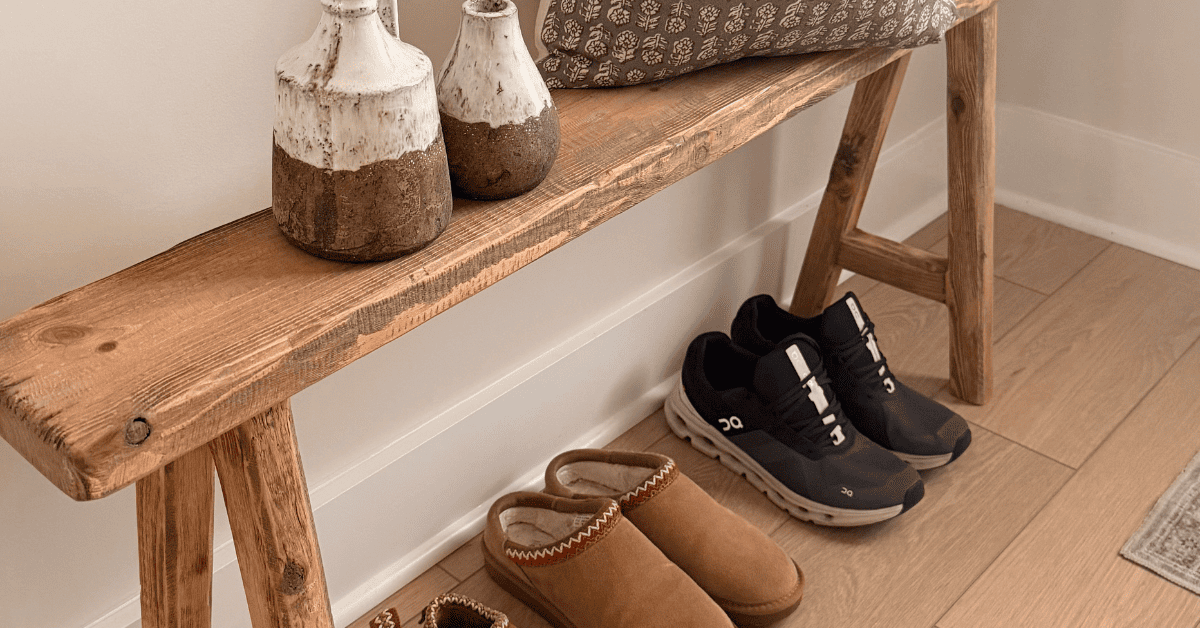
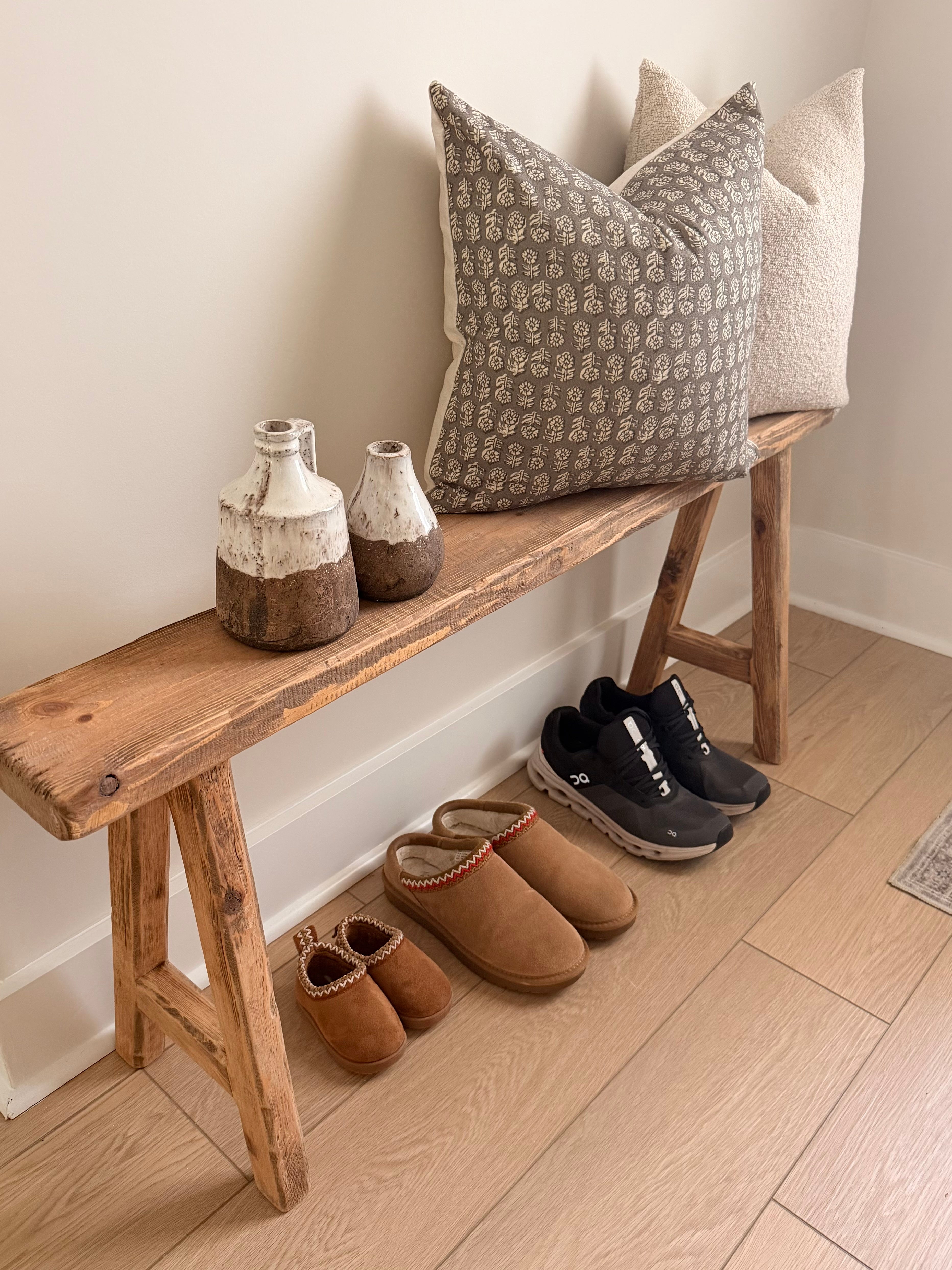
1. Take Your Shoes Off at the Door
Shoes track in pesticides, herbicides, heavy metals, bacteria, and outdoor pollutants. Studies have found everything from lawn chemicals and lead dust to fecal bacteria and other harmful contaminants on the bottoms of shoes.
When those shoes walk through your home, those contaminants settle into your floors and carpets — exactly where kids and pets play.
A simple shoe-free rule dramatically reduces what gets tracked inside.
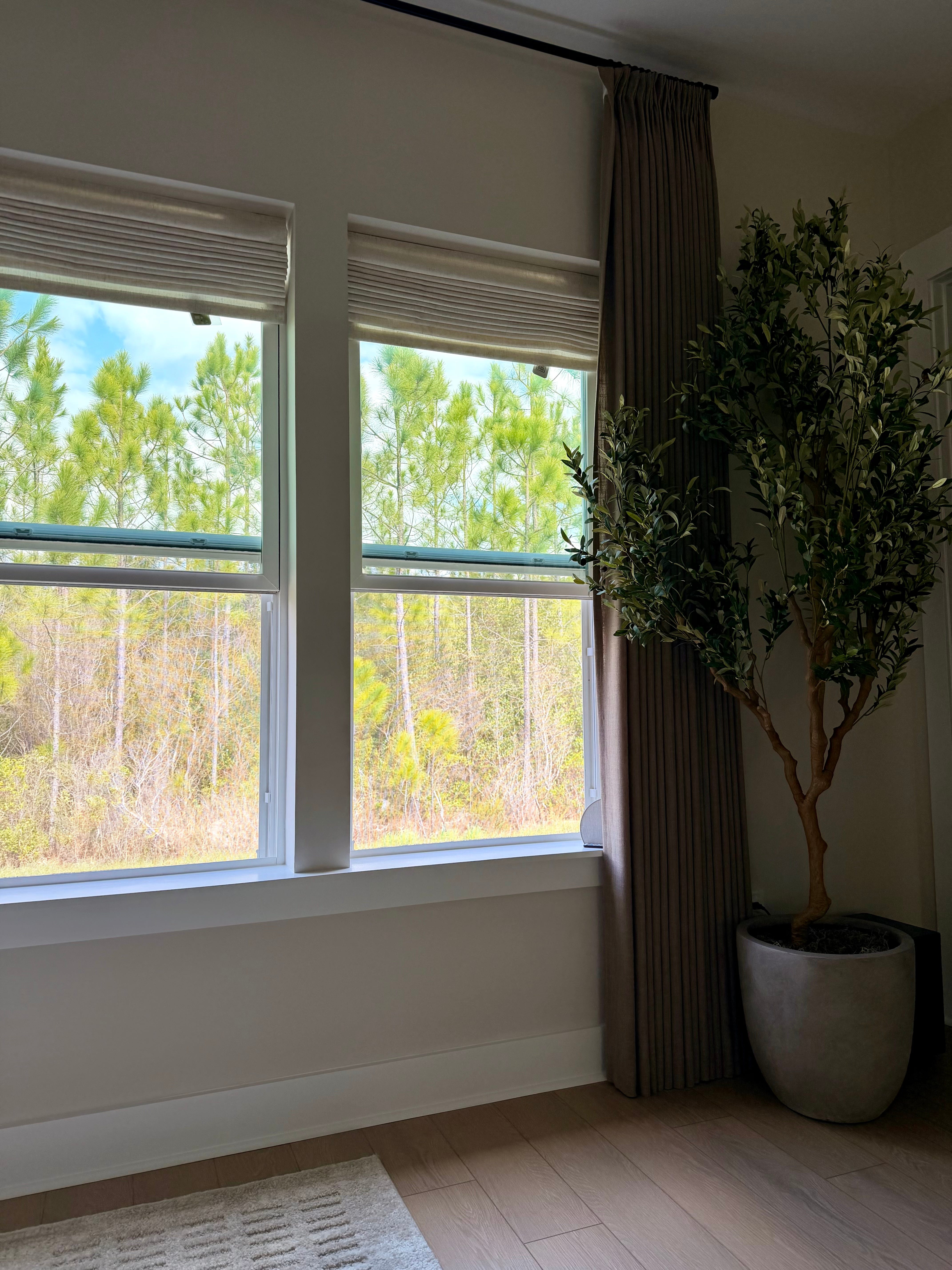
2. Open Your Windows Daily (Even for 5–10 Minutes)
Indoor air can actually be more polluted than outdoor air.
Cooking fumes, cleaning products, furniture off-gassing, candles, and everyday living all release particles and VOCs (volatile organic compounds) into the air.
Opening windows regularly creates airflow that helps remove trapped pollutants and lowers indoor toxin buildup.
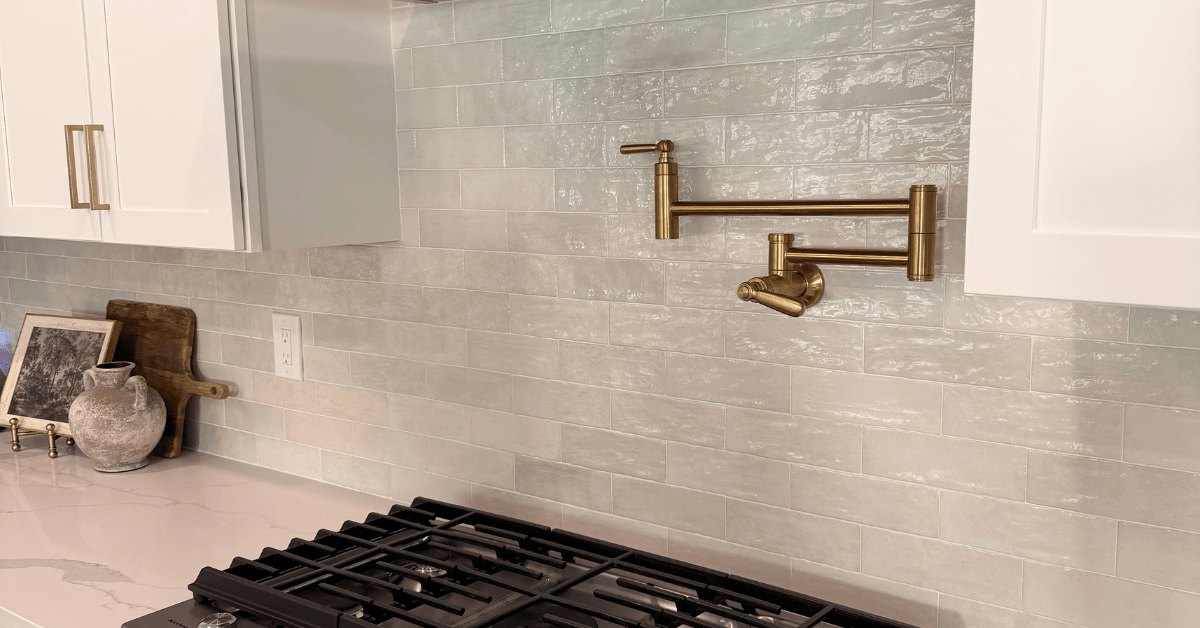
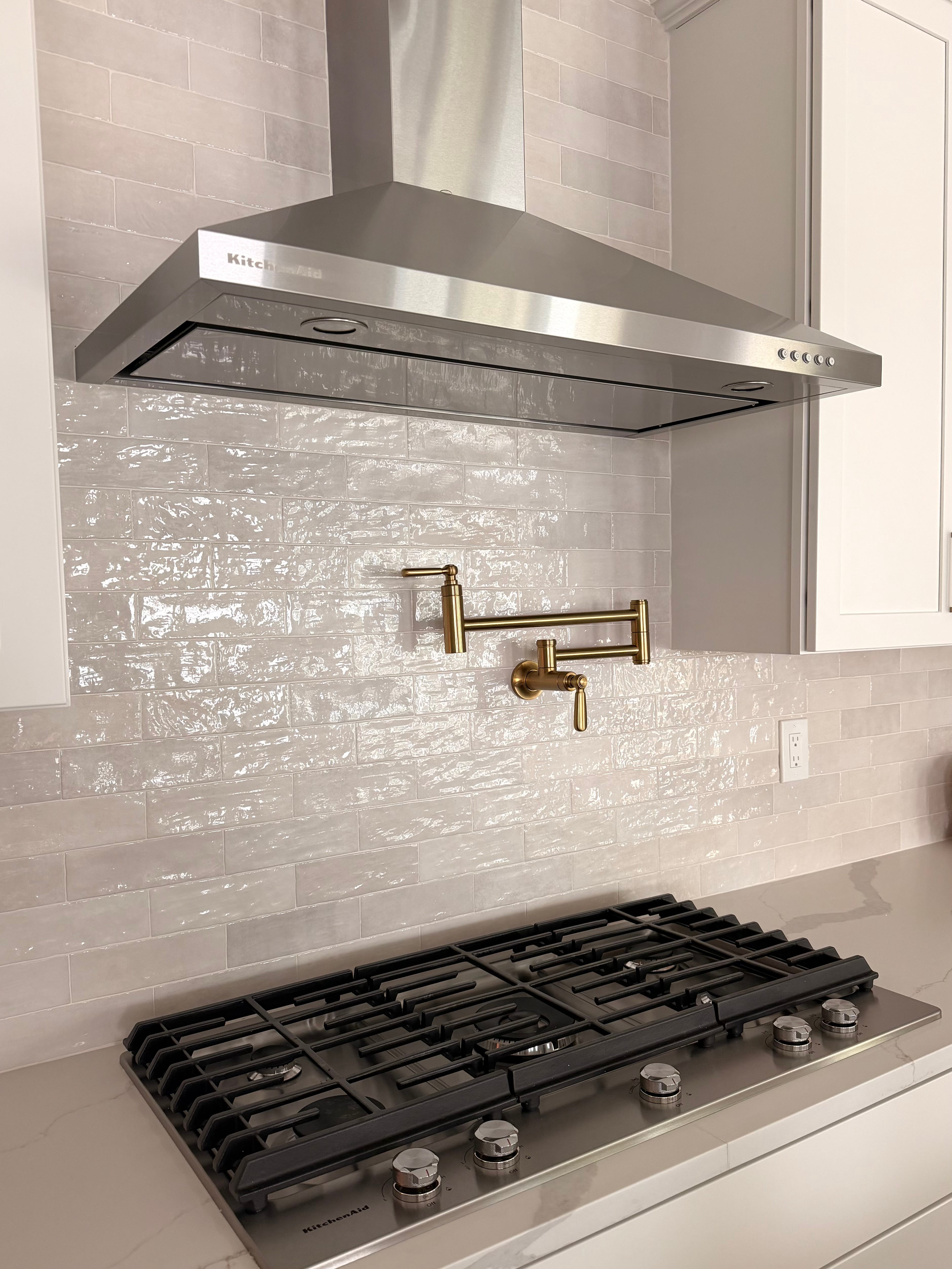
3. Run Your Kitchen Vent Fan Every Time You Cook
Especially if you cook with gas.
Gas stoves release nitrogen dioxide and other byproducts that impact indoor air quality. Even high-heat cooking with oils produces particulate matter.
Turning on your vent hood while cooking significantly reduces what lingers in the air.
4. Wash New Clothes and Sheets Before Using
New textiles are often treated with finishing chemicals, dyes, wrinkle-resistant coatings, and preservatives during manufacturing and shipping. Even if you buy “clean” brands, I still highly recommend washing them first just to remove leftover manufacturing residues, excess dye, dust from warehouses, and anything they may have picked up in packaging and transit. A simple wash before wearing or sleeping on them helps rinse away what your skin would otherwise be in direct contact with for hours.
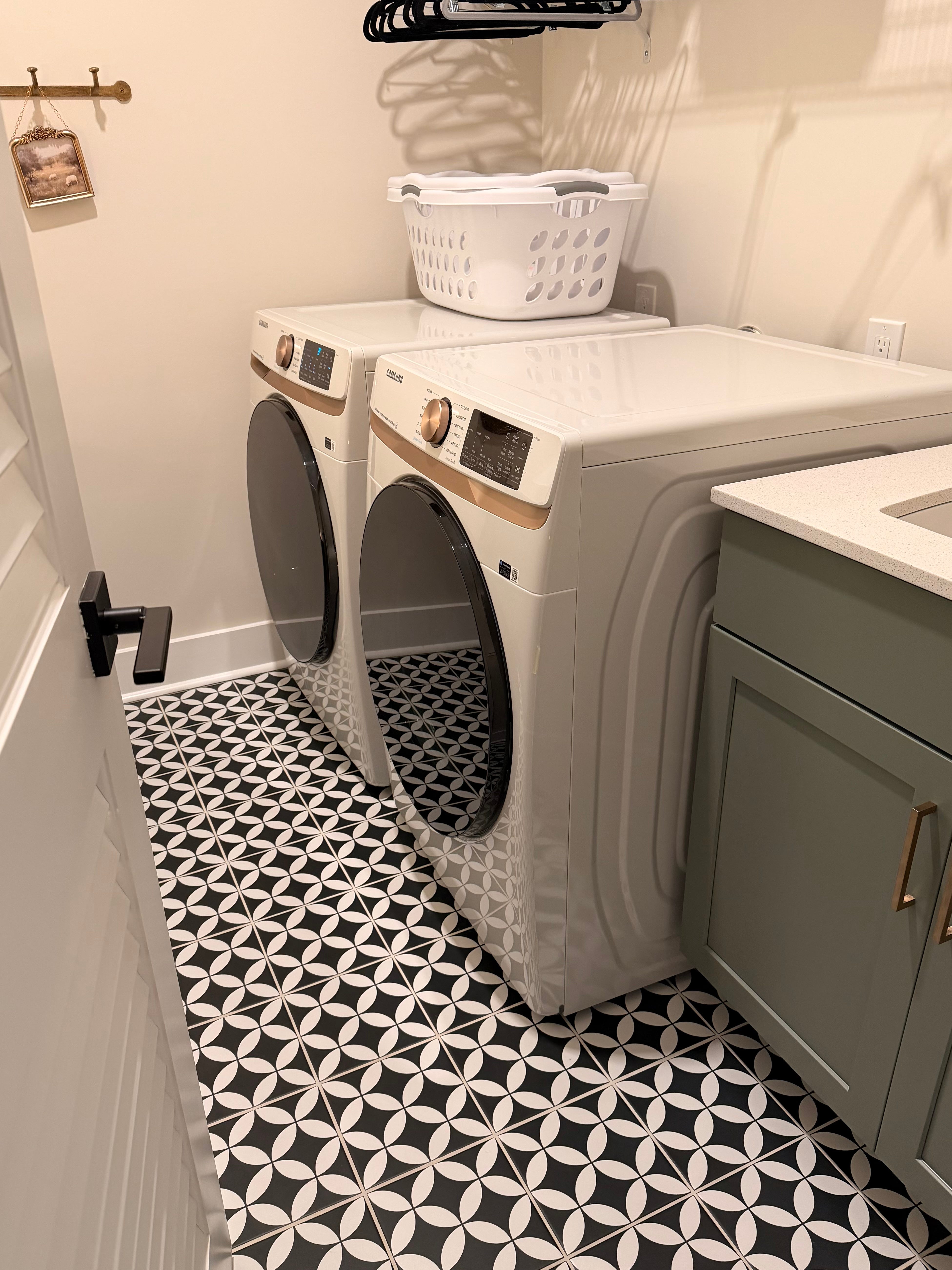
5. Switch to Non-Toxic As Products Run Out
You don’t need to replace everything overnight. Instead of doing a full purge, just choose non-toxic options as you naturally run out of products. I have lots of posts on non-toxic alternatives for cleaners, dishwasher pods, laundry soap, etc.
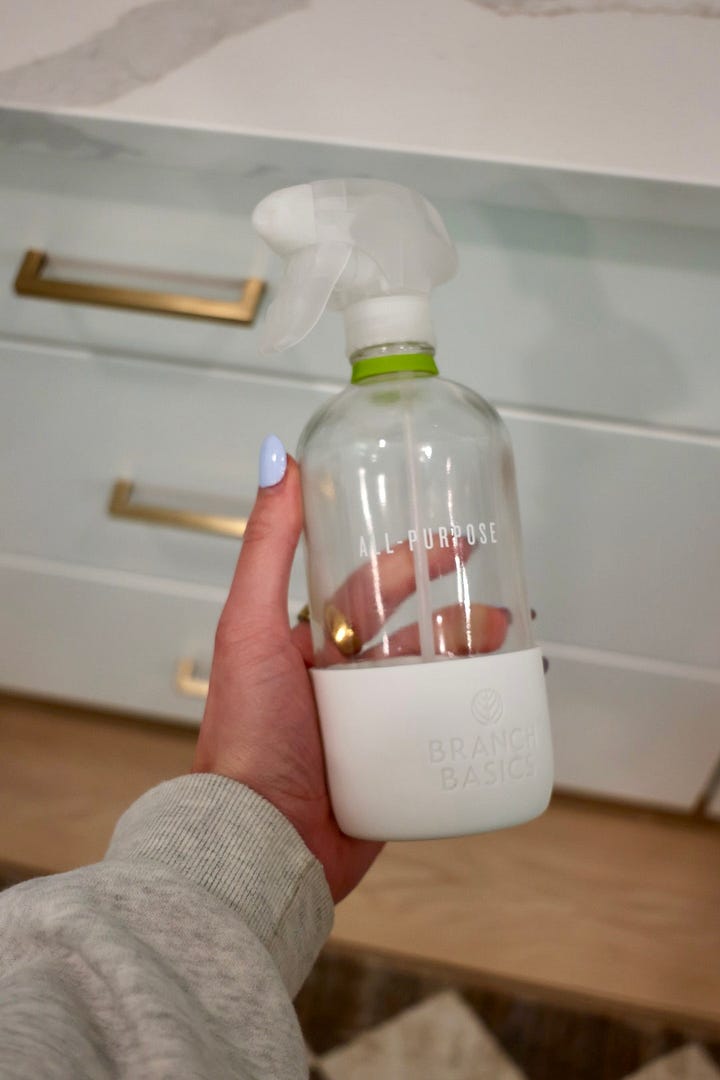
Once you run out of your current cleaning products in your home, I highly recommend getting a starter pack from Branch Basics for all your cleaning staples. This is all I use in my home!! I do have a discount code COOKINGKATIELADY for 15% off all starter kits!
6. Dust With a Damp Cloth
Dry dusting often just redistributes particles into the air.
Using a slightly damp cloth actually captures and removes dust — which can contain flame retardants, microplastics, pollen, and other irritants.
7. Skip Microwaving Plastic
Heat increases the likelihood of chemicals leaching from plastic into food.
If you already own glass or ceramic dishes, use those for reheating instead.
8. Control Humidity
Mold thrives in damp environments.
Use bathroom fans during showers, run your kitchen fan while cooking, and avoid letting wet laundry sit too long. Leave your dishwasher and washer open until they are completely dry. Keeping humidity between 30–50% prevents mold growth and improves air quality.
9. Let the Sun Work for You
Sunlight is a natural disinfectant.
When possible, air out bedding, rugs, or pillows outside. The UV rays help reduce odor-causing bacteria and freshen fabrics naturally.
10. Vacuum High-Traffic Areas More Often
Floors collect more than just visible dirt.
Regular vacuuming reduces dust, pollen, microplastics, and chemicals tracked into the home — especially important if you live in a neighborhood where lawns are frequently treated.
Healthy Homes Start With Habits
Healthy homes really do start with simple habits. Just like with food, ingredients matter, and the same goes for your environment. What you bring into your home, what you spray, what you cook with, and what you breathe in every day all adds up over time. Being aware of what is coming into your space matters because that is the air you and your family are breathing. These are zero cost changes you can start making today and they make a bigger difference than most people realize.
Cheering you on in creating a healthier home,
Katie