

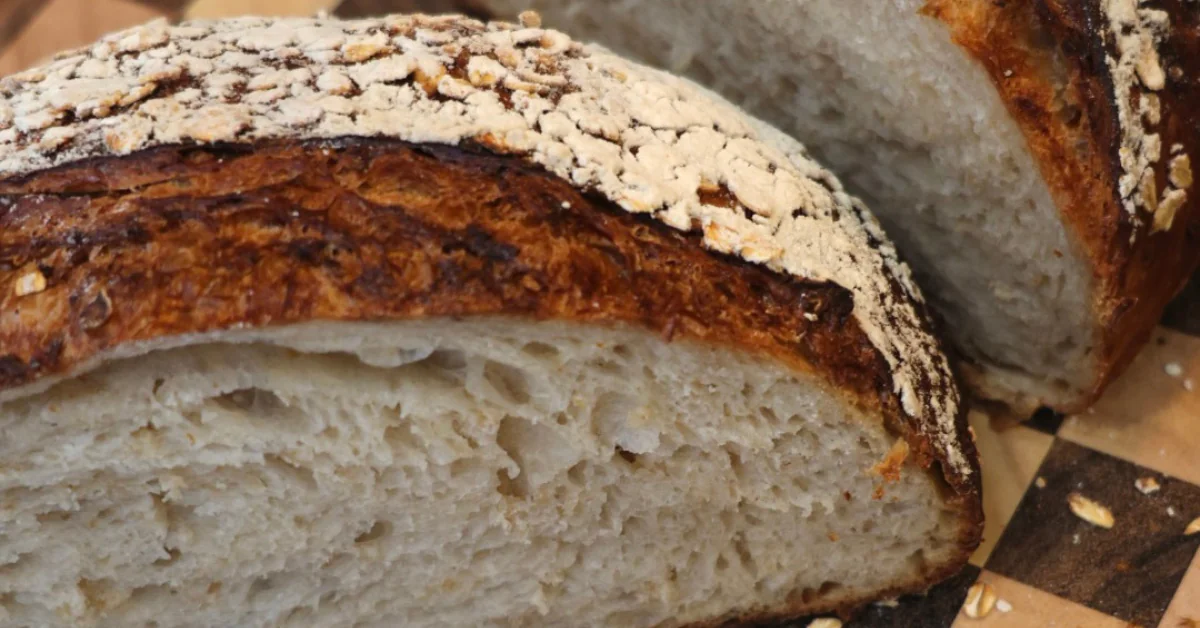

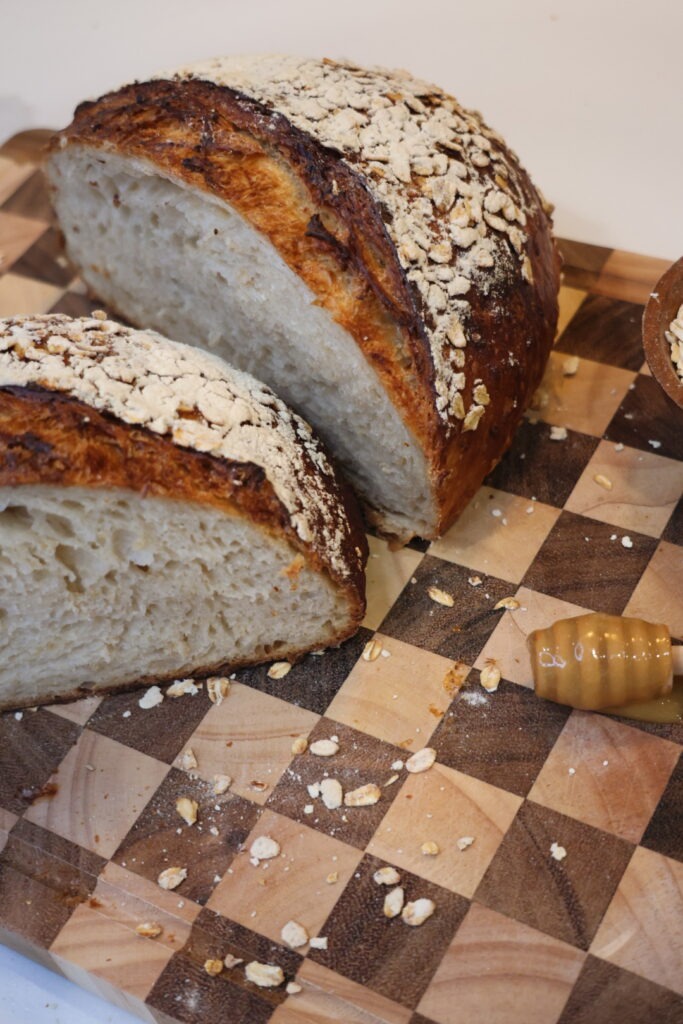
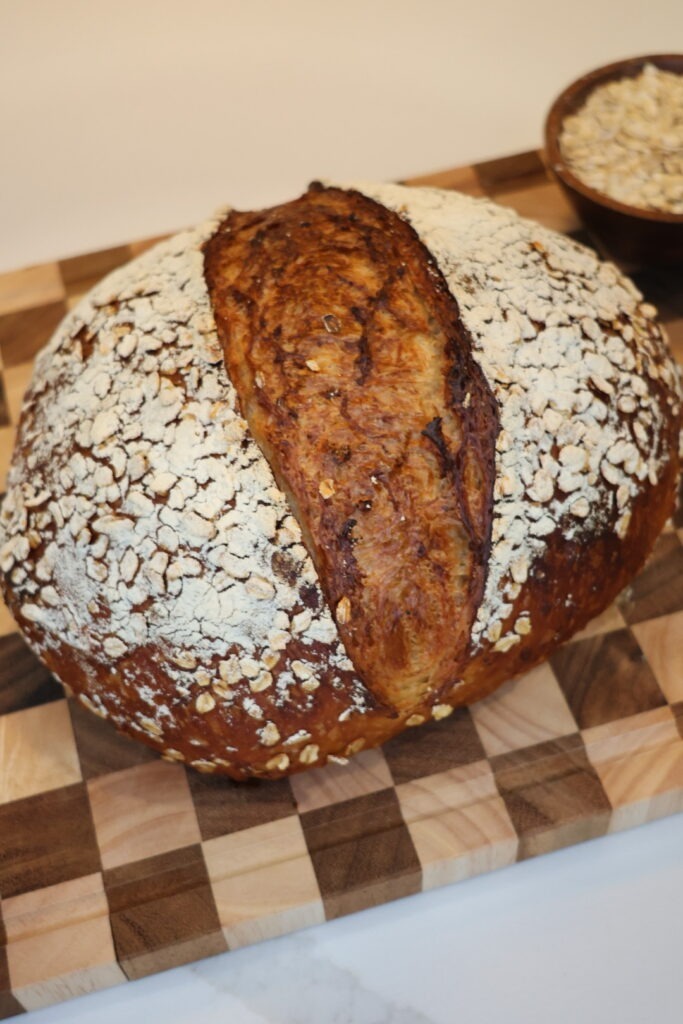
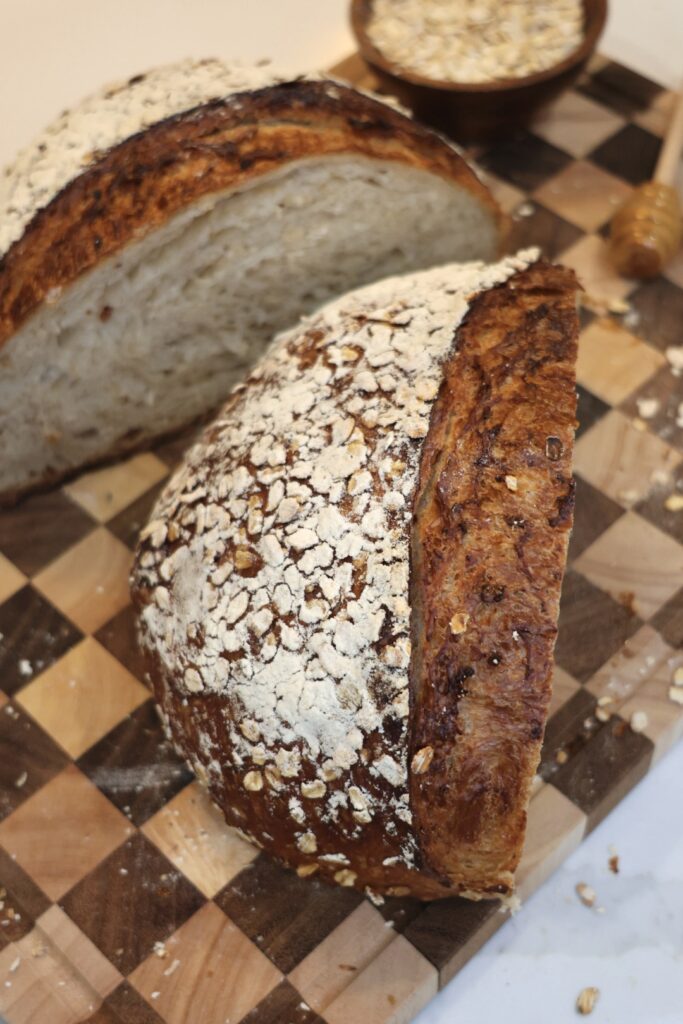
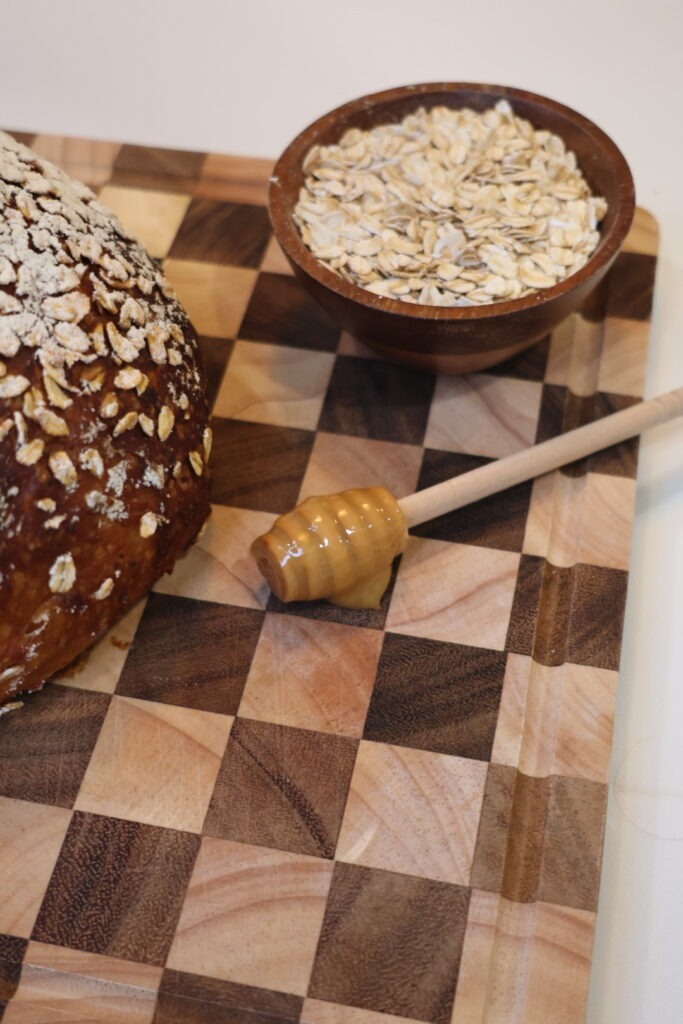
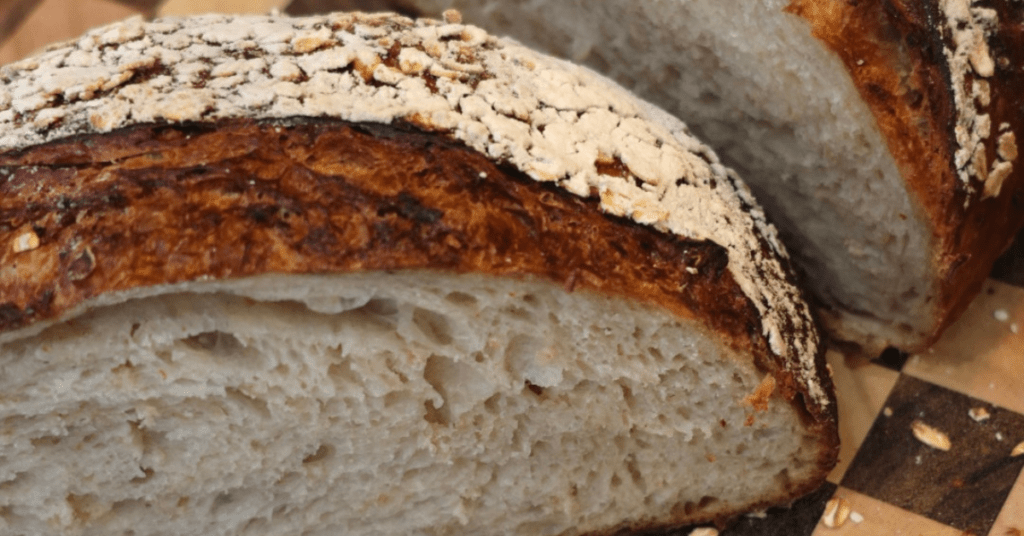
This honey oat sourdough loaf is everything I love in a homemade bread. Soft and tender on the inside, beautifully golden on the outside, and lightly sweetened with real honey. The oats add a cozy, hearty texture that makes every slice feel extra nourishing. It is perfect for morning toast, sturdy sandwiches, or simply warm with butter and an extra drizzle of honey. If you are looking for a sourdough loaf that feels comforting yet a little special, this one is it.
One of my favorite things about this loaf is what it does not contain. There are no nonsense ingredients or preservatives here. Most store bought sourdough bread is made with inflammatory oils, preservatives, and refined sugars. Sourdough supports gut health, while the store bought versions often do the exact opposite. Take a look at the ingredient labels next time you are at the grocery store and you will be shocked. True sourdough should only list flour, water, and salt.
And whatever you do, do not be intimidated by making sourdough. I have broken this recipe down step by step and I am always happy to help if you have questions. You can send me a DM on Instagram or drop a question in my Substack subscriber chat. Sourdough really is easy to make. The key is patience and trusting the process.
BE SURE TO SAVE THIS RECIPE TO YOUR FAVORITE PINTEREST BOARD FOR LATER!
Something important to keep in mind about sourdough is that there is no one size fits all approach. Depending on where you live, you may need to adjust the amount of hydration in your dough. Bulk fermentation will also vary based on your climate and the temperature of your home. Do not worry though. I share tips throughout this recipe to help guide you every step of the way.
Equipment You’ll Need
- Large mixing bowl
- Dough whisk or wooden spoon
- Kitchen scale
- Clean tea towel or bowl cover
- Banneton basket
- Parchment paper or silicone baking mat
- Bread lame or sharp knife
- Dutch oven with lid
Why You Should Be Eating Sourdough
- Easy to Digest – The bacteria-yeast composition will start to breakdown the starches found in the grains before it even reaches your stomach!! Most of the work is done before you consume, making it much easier on your gut.
- Lower Glycemic Index – Sourdough is fermented in a way that depletes bad starches within it. Your blood sugar won’t rise drastically upon eating it.
- Better for Gluten Sensitivity – The longer fermentation time for sourdough bread means that much of the protein gluten is broken down into amino acids before you consume it.
- Provides Healthy Bacteria – Sourdough bread is fermented in a way that fosters more beneficial bacteria in the bread and in your body when you eat it.
- Made with 3 Simple Ingredients – Unlike store bought breads, real sourdough contains only 3 clean ingredients. Flour, water, and salt. And when you make it from scratch there are no preservatives or nasty oils!!!
- Macros & Nutrients – Sourdough is packed with nutrients, healthy carbs, protein, fiber, iron and vitamins like potassium, folate & vitamin B. It is not crazy high in calories either.
- Sustainable – Another reason why I love making my homemade sourdough from scratch is because it is better for the environment/more sustainable! I try to reduce my paper & plastic use as much as possible. I store my bread directly in my Dutch oven with the lid on my counter!
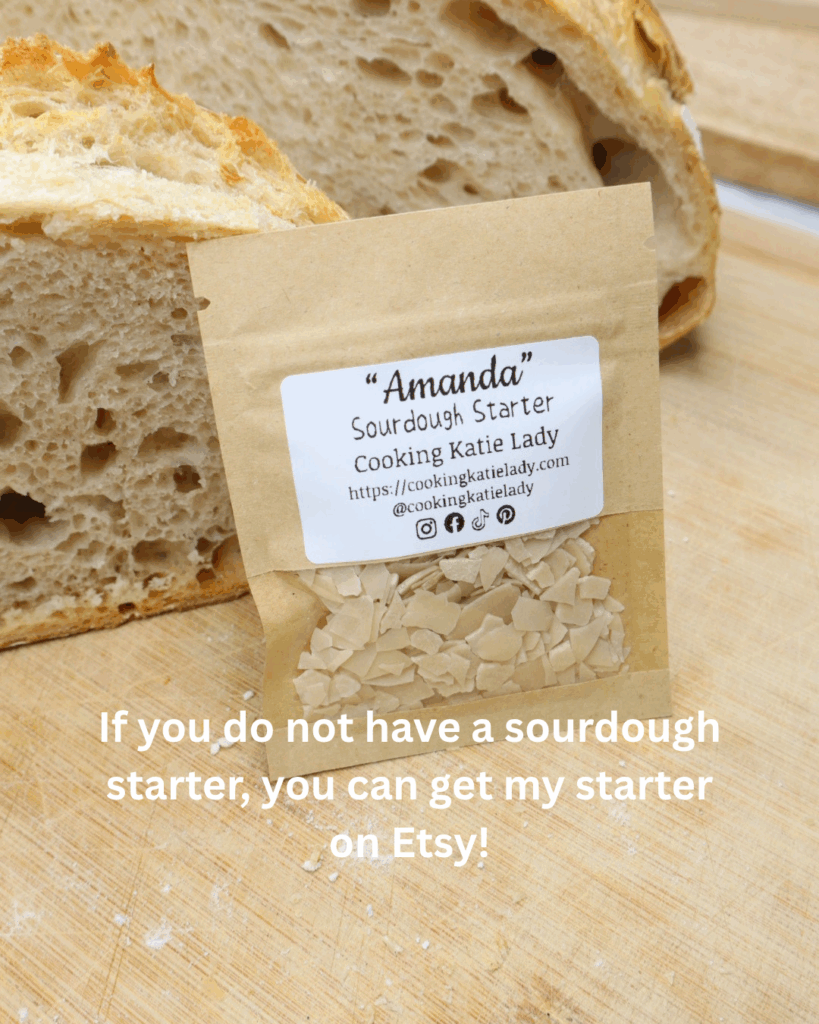
You Can Now Purchase My Personal Sourdough Starter
My personal, well established sourdough starter is available to purchase here! Buying a starter will speed up the process significantly, and guarantee that you will have a strong starter for an amazing loaf!
How to Make Sourdough Starter from Scratch
Learn how to make a sourdough starter from scratch here or consider purchasing my personal well-established starter here to speed up the process!
What Your Starter Should Look Like When It Is Ready
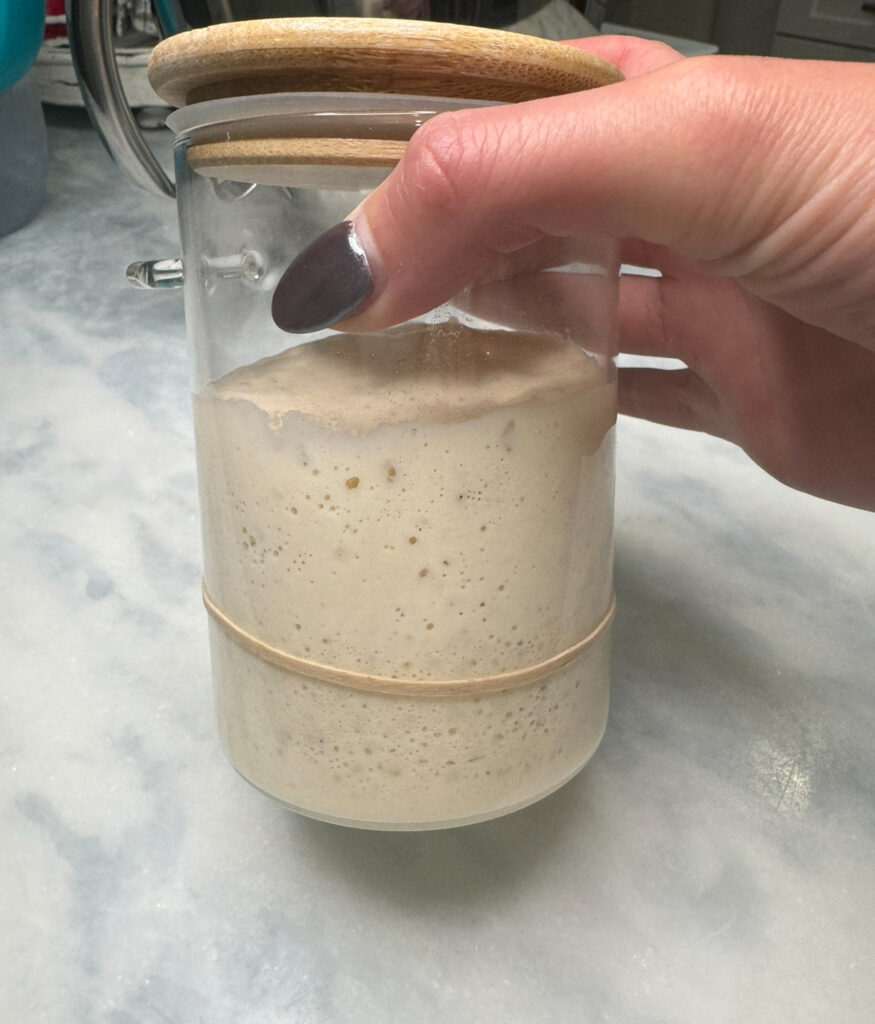
Your sourdough starter is ready for use when it has doubled in size, or slightly more, and looks bubbly with a domed top. This usually takes 5-8 hours, depending on the temp of your kitchen. I just like to feed mine before bed so I can make bread first thing in the morning.
Once the top begins to flatten out, that is a sign your starter is starting to fall and may be past its peak. I like to mark the level of my starter with a rubber band right after feeding so I can easily track how much it has risen.
If you want to be extra sure your starter is ready, you can do the float test. Drop a small spoonful of starter into a bowl of water. If it floats, it is ready to use. If it sinks, give it a bit more time to continue fermenting.
Steps For Feeding Your Starter Before Making Your First Loaf
- If your starter has been stored in the fridge, let it get to room temperature.
- In a mason jar, combine 150 grams of starter (discard any extra starter you have left. Save your discard in a separate jar in the fridge for discard recipes!), 100 grams of warm filtered water (80-85 degrees F), and 150 grams of organic bread flour.
- Mix until you have a thick paste and the flour is fully incorporated.
- Gently place the lid on top (don’t press it all the way down/screw it on) and let it sit overnight on the counter, or until doubled in size and nice and bubbly.
How to Care for your Starter
Caring for a sourdough starter is akin to looking after a child hehe; it requires attention & care to thrive. If you’re away from home, you can have someone “babysit” your starter or you can dehydrate it for preservation. Typically, a starter stored in the fridge needs feeding every 7-10 days, whereas one kept at room temperature requires daily feeding. For convenience and manageable growth, refrigeration is recommended unless daily sourdough recipes are planned.
Honey Oat Sourdough Bread Ingredients
- 500 g bread flour (organic)
- 150 g active sourdough starter
- 330 g water (Do NOT use reverse osmosis or distilled water. It lacks the beneficial bacteria needed to grow.)
- 15 g sea salt (I use Celtic sea salt)
- 100 g honey (raw, unfiltered)
- 90 g oats, (plus more for topping)
How To Make Honey Oat Sourdough Bread
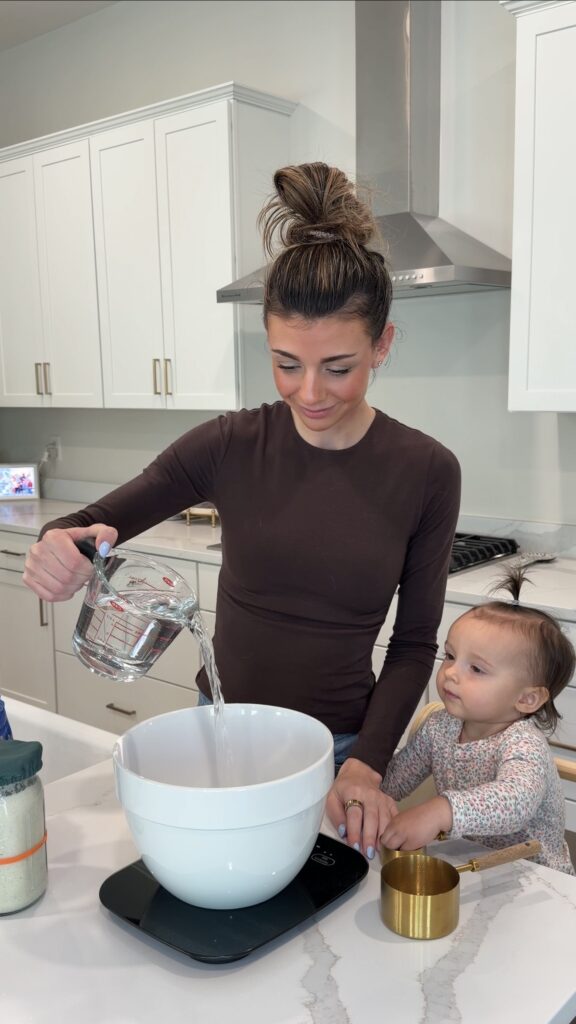
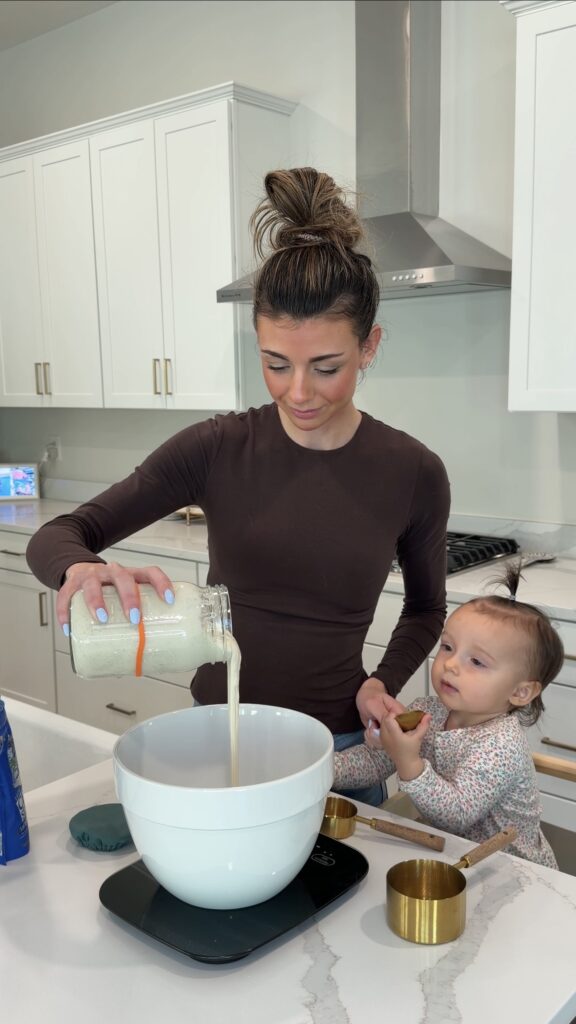
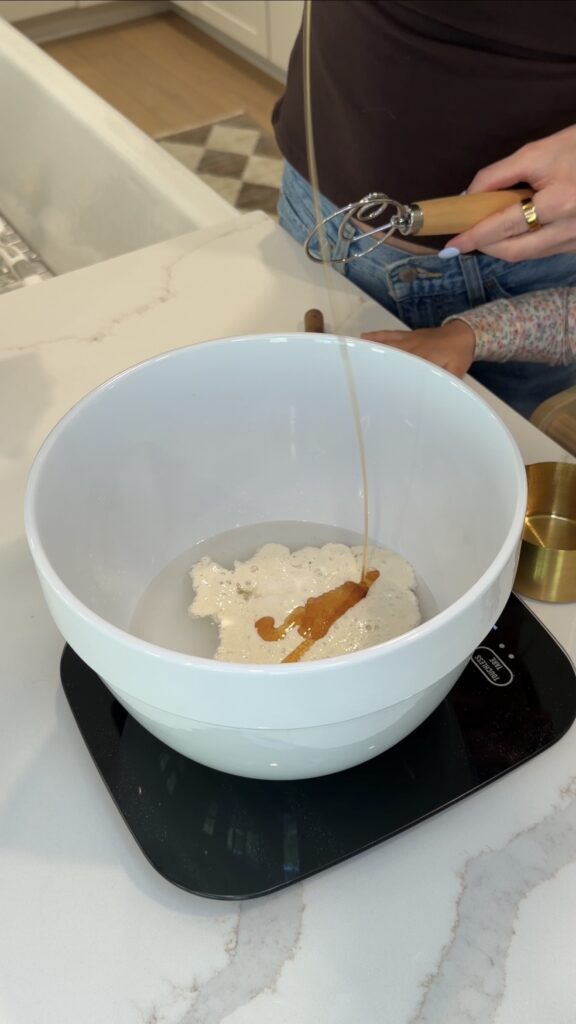
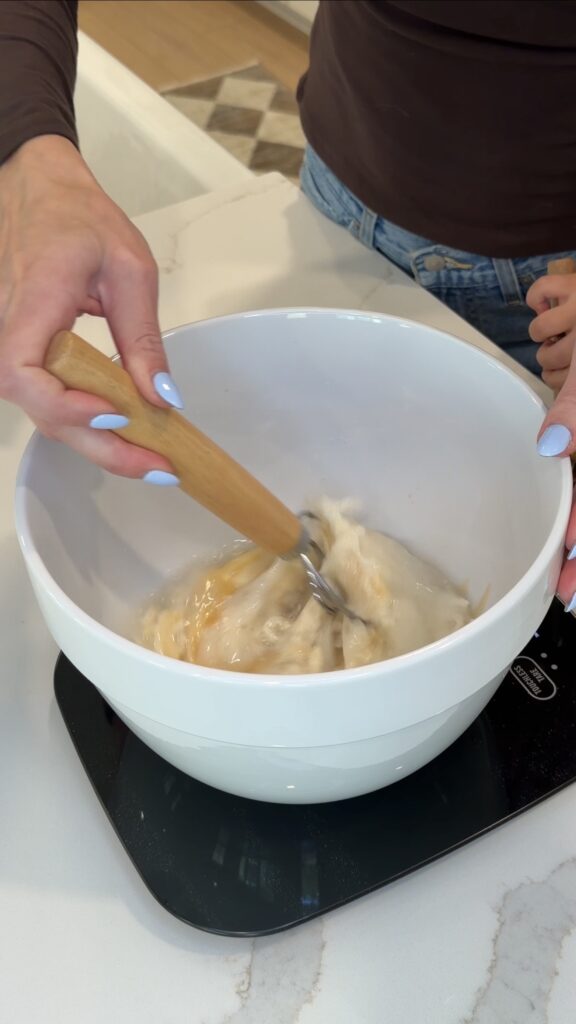
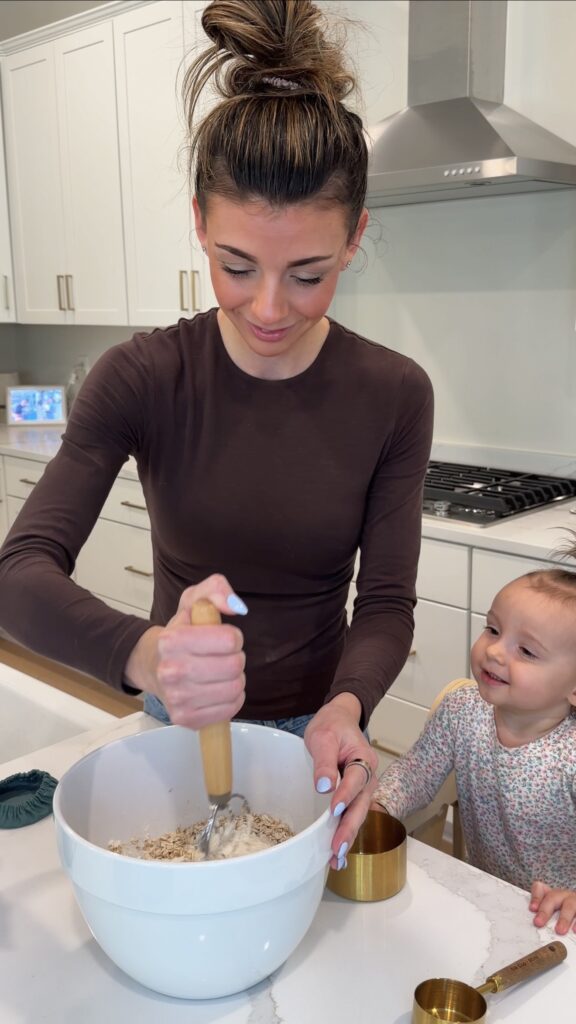
- In a large mixing bowl, whisk together the water, sourdough starter, and honey until fully dissolved.
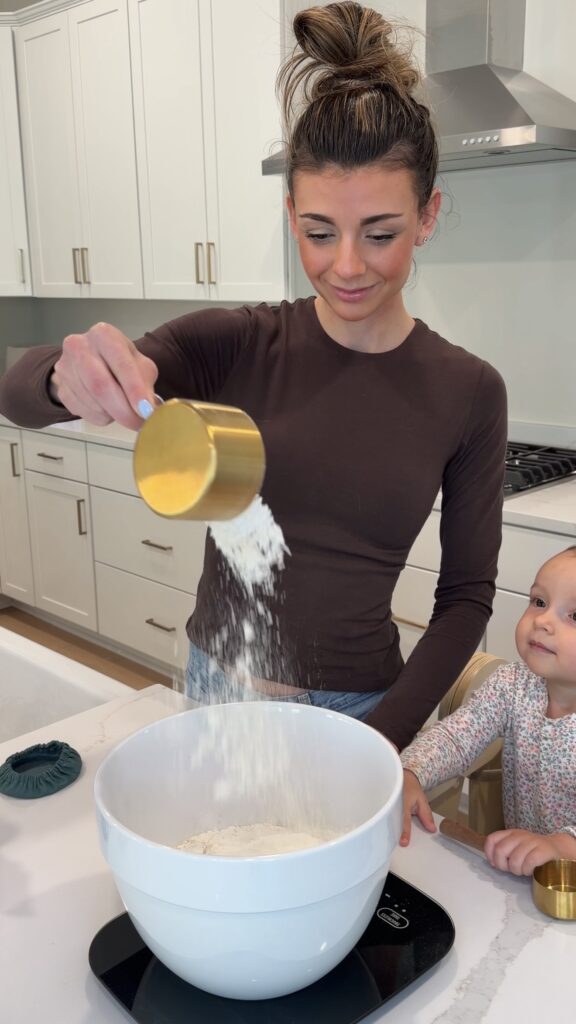
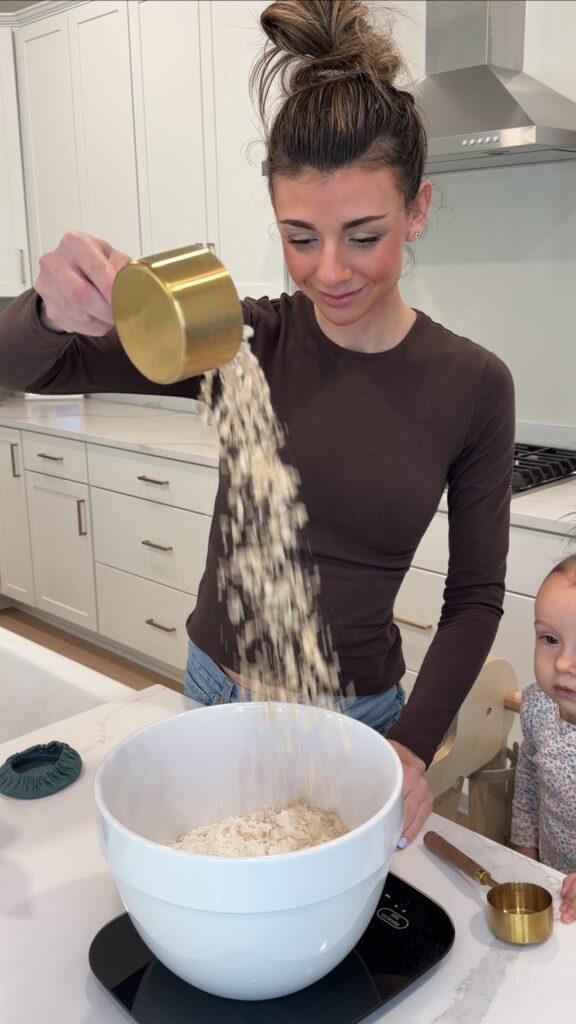
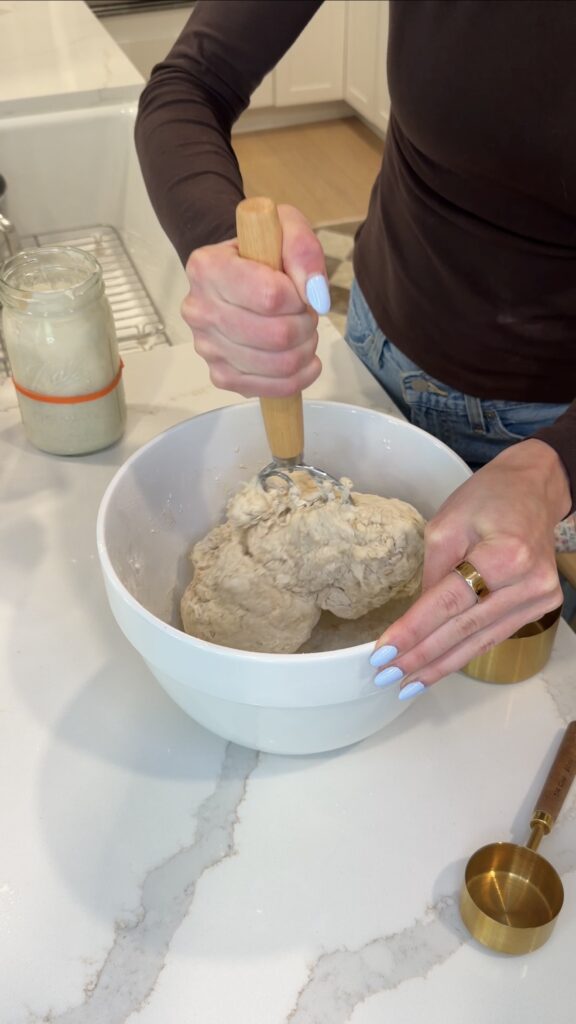
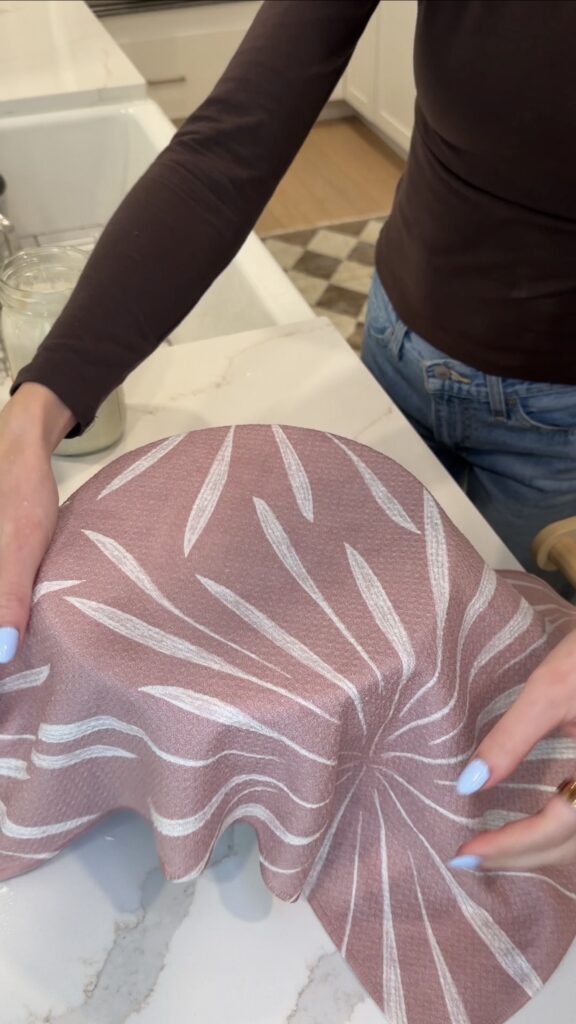
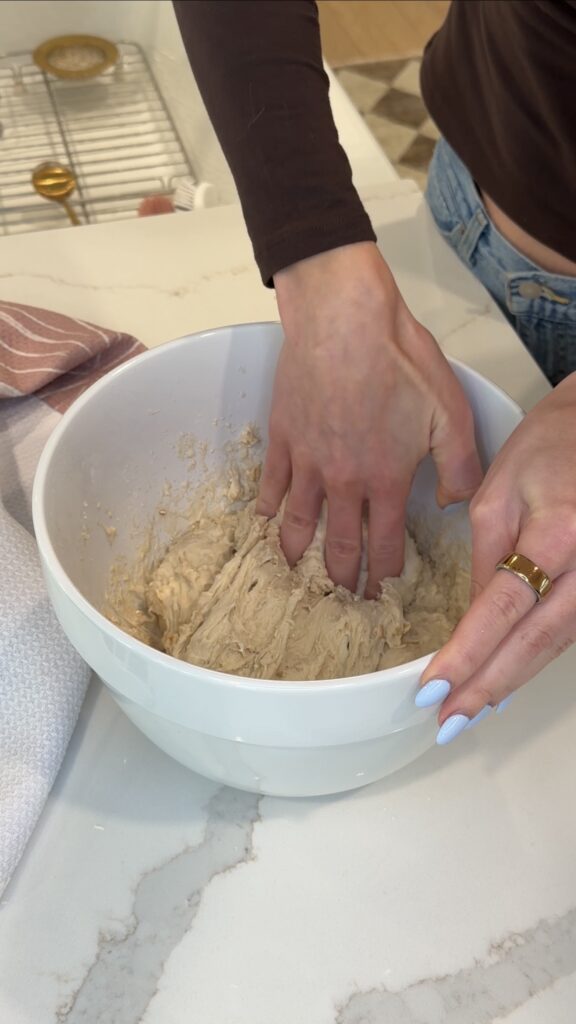
- Add the bread flour and oats, then mix until a shaggy dough forms. You can mix by hand, with a dough whisk, or in a stand mixer fitted with a dough hook attachment. Cover the bowl with a clean tea towel and let the dough rest for 1 hour.
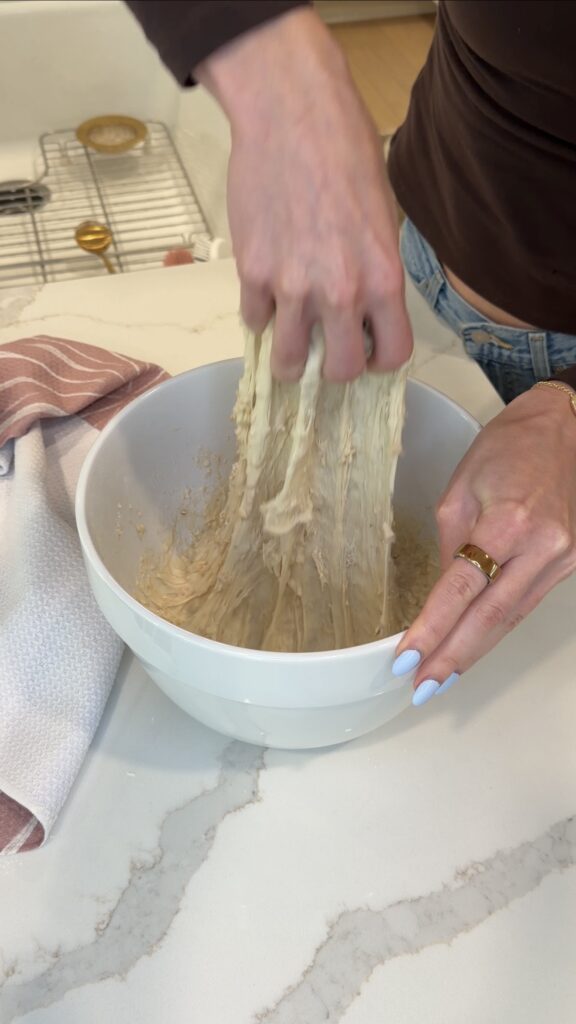
- Sprinkle the salt evenly over the dough. Perform your first set of stretch and folds by grabbing one side of the dough, stretching it upward, then folding it back over itself. Rotate the bowl and repeat until you have completed four folds. Cover and rest for 1 hour.
- Repeat the stretch and fold process two more times, resting the dough for 1 hour between each set. You will complete a total of three sets.
- After the third set, cover the bowl and allow the dough to bulk ferment for 3 to 7 hours, depending on the temperature of your kitchen. The dough is ready when it has nearly doubled, shows bubbles on the surface, and feels airy and slightly tacky without sticking to your fingers.
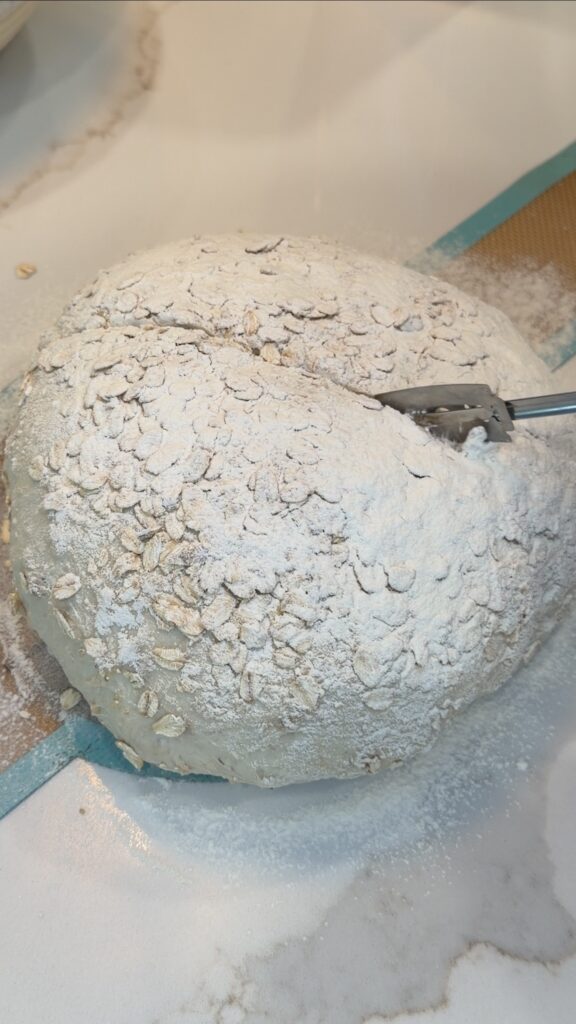
- Lightly flour your work surface and prepare your banneton basket with flour and a sprinkle of oats. Turn the dough out and gently stretch it into a rectangle. Fold the long sides inward toward the center, then roll it into a log and pinch the seams closed.
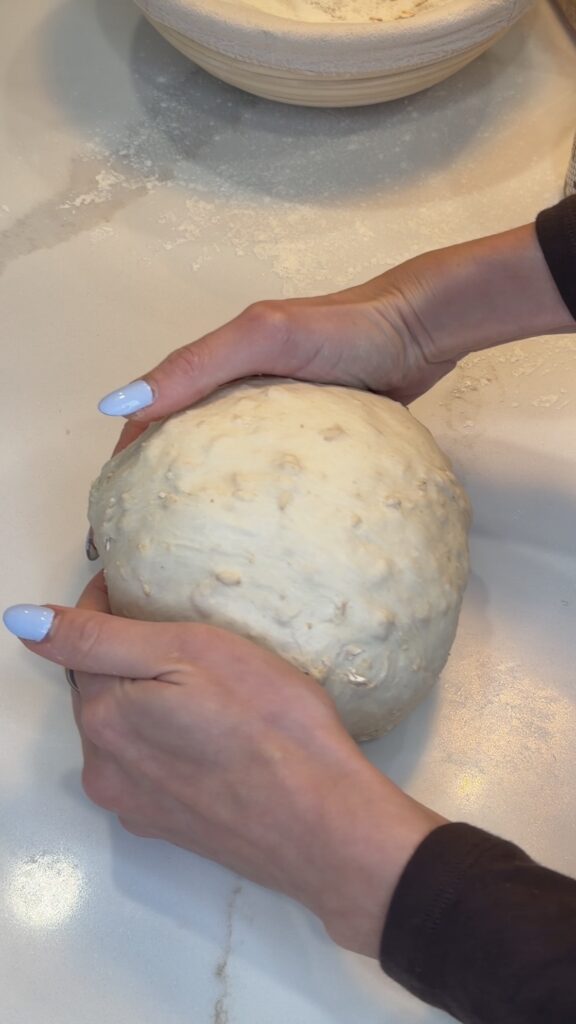
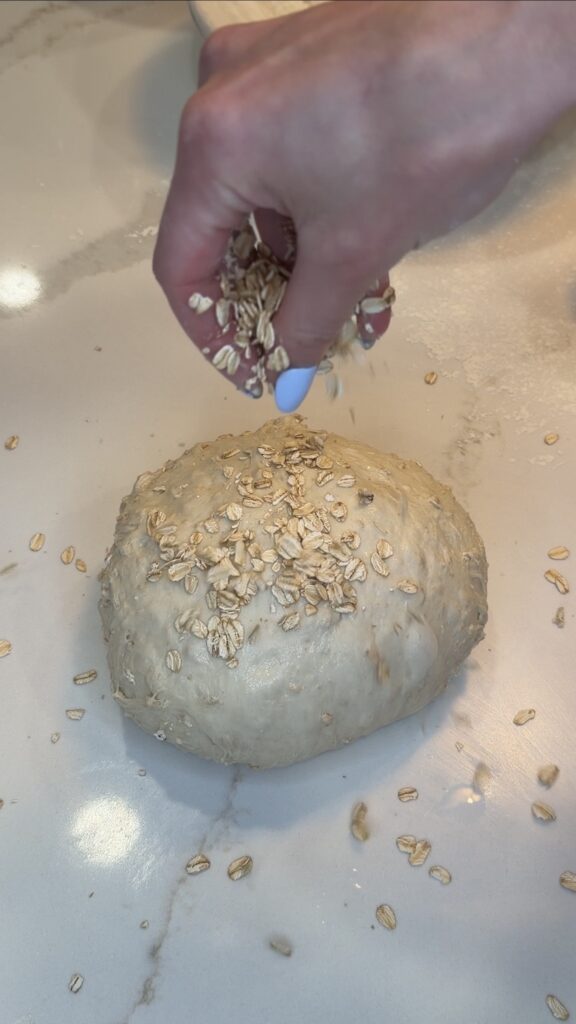
- Create surface tension by gently cupping the dough and pulling it toward you in a slight candy cane motion. Lightly damp the top and sprinkle with oats.
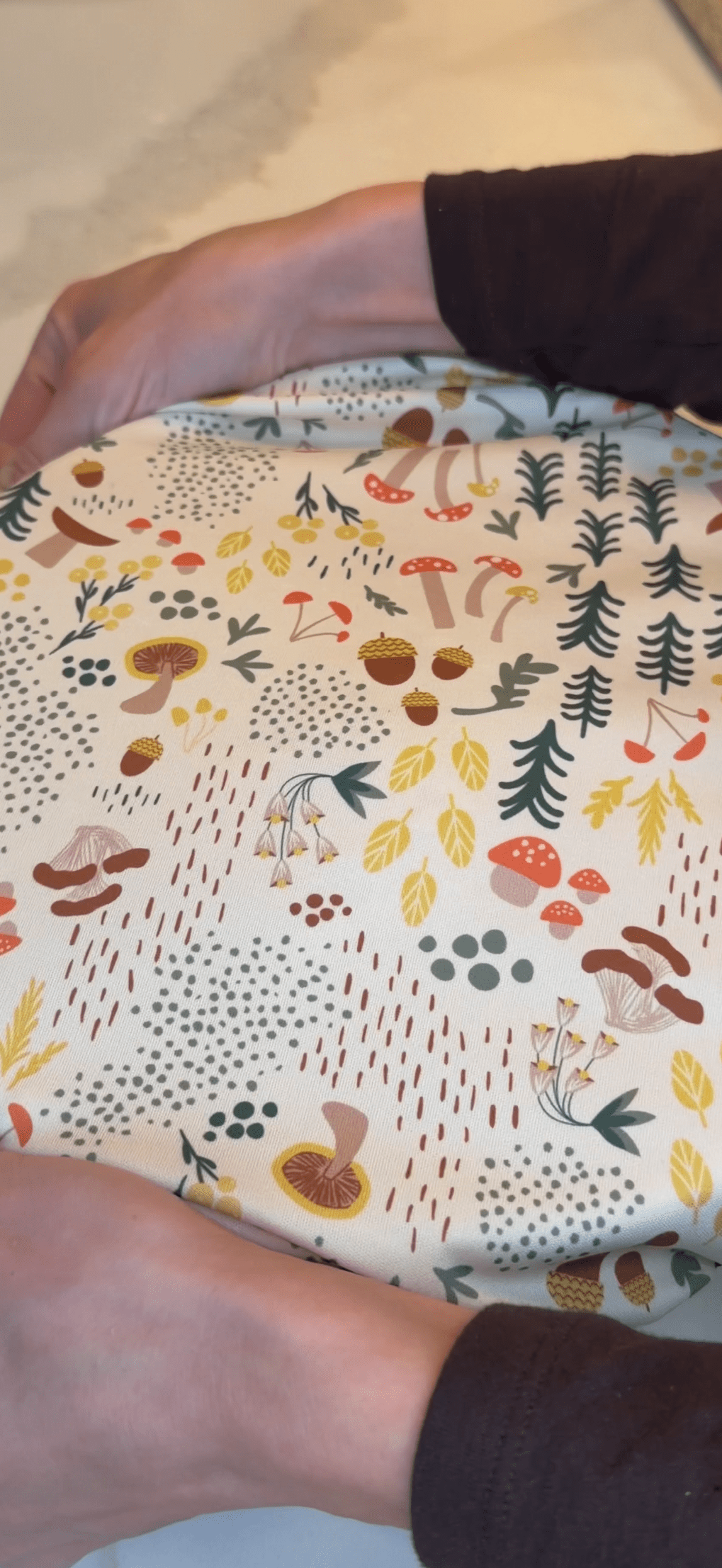
- Place the dough seam side up into the banneton. Cover and refrigerate overnight for cold fermentation.
- Preheat your oven to 450°F with the Dutch oven inside for 45 minutes.
- Turn the dough out onto parchment or a baking mat, score the top, and carefully transfer it into the hot Dutch oven.
- Bake covered for 20 minutes. Remove the lid and bake for another 25 to 30 minutes until the crust is deeply golden brown. Wait 1 hour before slicing.
Sourdough Essential Tools
Here are the essential tools you should get to make sourdough!
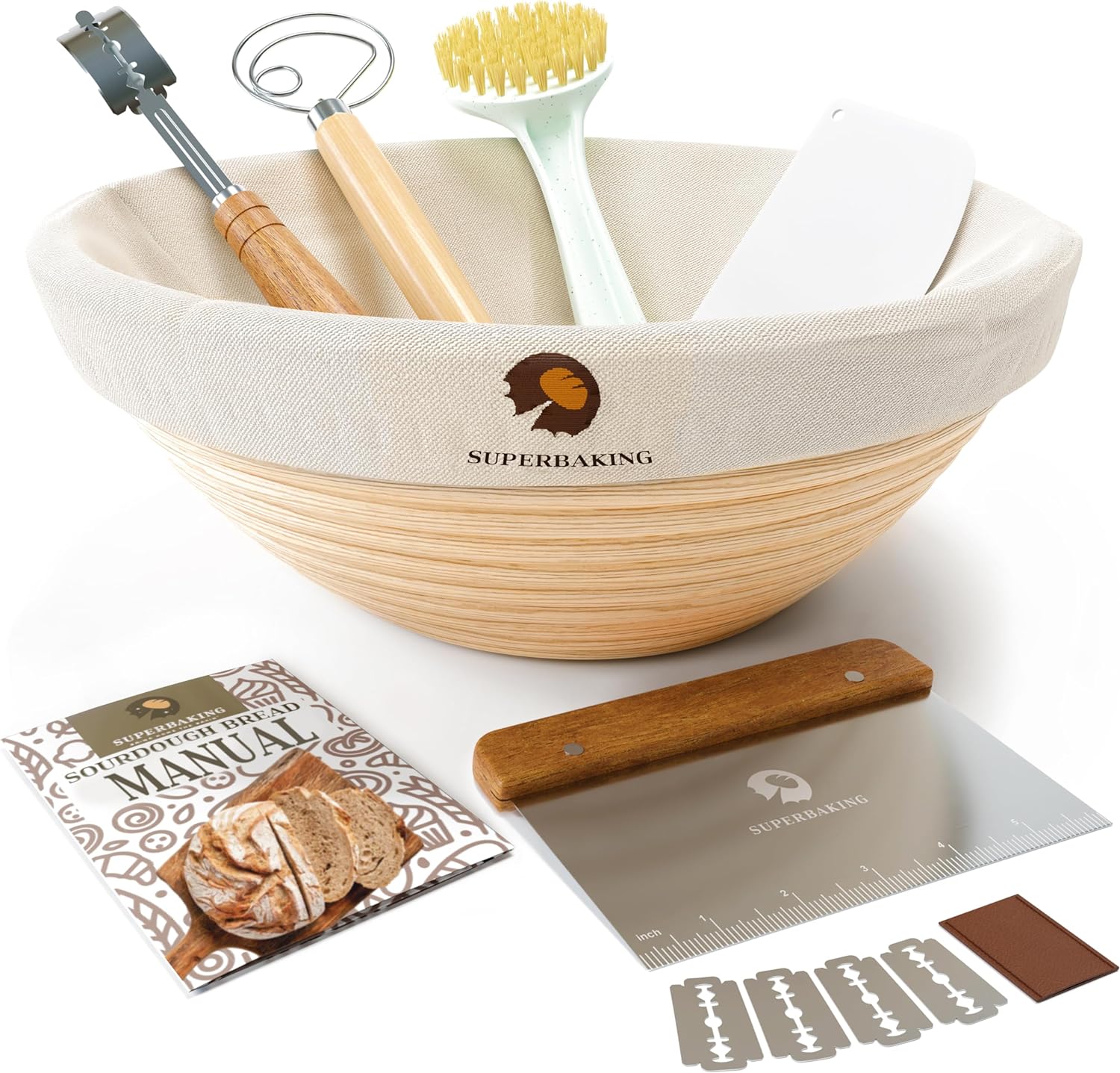
Sourdough Starter Kit
A kit like this from Amazon is great to get your basic essential tools!
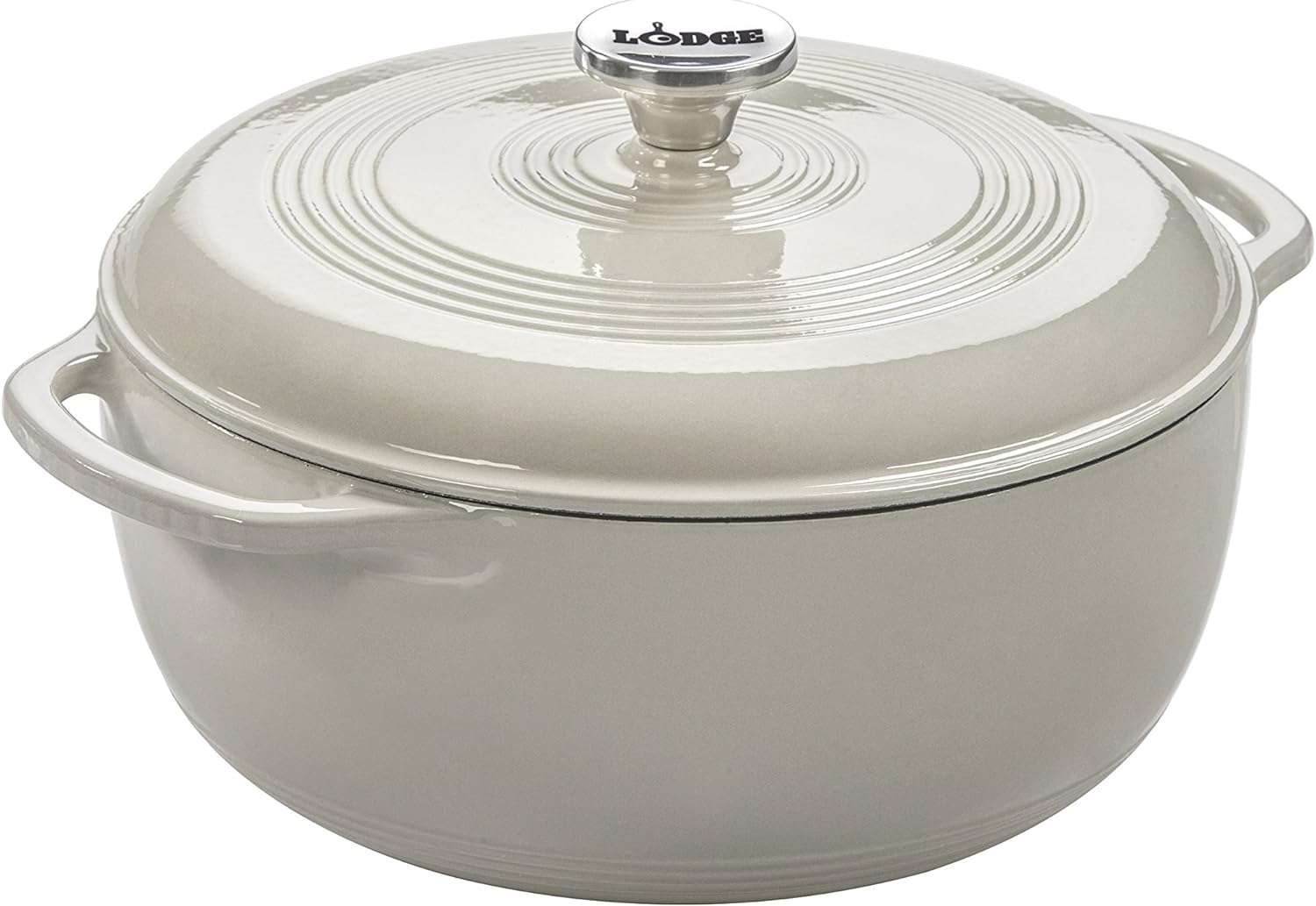
Dutch Oven
To bake your bread in. This is the exact one I have. You don’t need a fancy Le Cruset or anything!

Silicone Bread Sling
Optional, but I try to be as sustainable as possible and love this sling! Or you can use parchment paper.

Large Mason Jar
For your sourdough starter

Scale
A handy dandy scale for measuring! Grams are more accurate than cups when it comes to baking things like bread and they are super cheap.

KitchenAid Mixer
You don’t have to have one, but it sure makes it easy when you are initially mixing your dough. If you don’t have one or it’s out of your price range you can mix your dough by hand with the dough whisk that comes in a sourdough starter kit.
What Are Some Tips for Successful Sourdough Baking?
Embarking on the journey of sourdough baking can be both rewarding and challenging. To help you achieve delicious results, here are some essential tips:
Keep a Baking Journal
Starting a new baking hobby? Document your first few bakings to learn your kitchen and dough!
- Kitchen Environment: Record the temperature of your kitchen each time you bake.
- Dough Rising Time: Note how long the dough takes to rise under different conditions.
This information can guide adjustments for consistent, better outcomes. Remember, warmer kitchens accelerate the fermentation process, while cooler ones slow it down.
Use an Active Sourdough Starter
Timing is everything with sourdough. Ensure your starter is recently fed and visibly bubbly before using it to mix your dough. If it begins to deflate, give it another feeding to re-energize it for baking.
Precision is Key: Use a Kitchen Scale
For precision in baking, a kitchen scale is your best tool. It guarantees accurate measurements for your sourdough ingredients.
How Do You Know When Bulk Fermentation is Complete?
Bulk fermentation is complete when your dough has almost doubled in size, has air bubbles, is smooth, and not too sticky. These are signs that the fermentation process has developed the gluten structure properly.
How To Store Leftovers
I just leave my leftovers in my Dutch oven with the lid on my counter! You could use a bread box if you’d prefer as well. You can also freeze any leftovers if you can not finish the entire loaf in enough time.
Troubleshooting Common Sourdough Baking Issues
Sourdough baking can be a rewarding but sometimes challenging experience at first. Here’s how you can address some frequent issues.
Over-Proofing Concerns
Recognizing Over-Proofed Dough: When dough becomes sticky and resistant to shaping, it’s likely over-proofed. This often happens in warm kitchens. Keep an eye on your kitchen temperature, and adjust the fermentation time for future bakes to prevent this.
Flavor and Texture Adjustments
Excessive Sourness: A sour flavor can result from infrequent starter feedings, which increase lactic acid build-up. For a milder taste, feed the starter more regularly before baking.
Hard Crust Issues: If the bottom crust is too thick, it’s often due to the Dutch oven sitting too close to the heat source. Position a pizza stone or baking sheet on a lower rack to act as a heat buffer. Extending the covered period to 30 minutes, combined with a shorter uncovered time of 20 minutes, helps retain moisture for a softer crust.
Rise and Baking Problems
Lack of Oven Spring: If your sourdough doesn’t rise well, the starter might lack strength, or the dough might not have been shaped properly before the final proof. Strengthen your starter by feeding it consistently, and ensure you form a tight dough shape before its final rest. You can purchase my personal sourdough starter on Etsy if you are needing a well established one.
Benefits of Adding Salt After the First Hour
Delaying the salt is a small step that makes a big difference in both dough handling and final texture.
Improved Gluten Development
Salt tightens gluten when added early. Waiting allows the gluten to develop more naturally, resulting in a softer, more extensible dough.
Enhanced Flavor Complexity
Giving enzymes time to work before adding salt encourages better flavor development. Salt can slightly slow enzymatic activity, so delaying it helps deepen the final taste of the bread.
Easier Mixing and Stretch and Folds
Dough can feel tighter and stickier when salt is added too early. Incorporating it after the first rest makes the dough easier to handle and helps the salt distribute more evenly during stretch and folds.
Dietary Information
This honey oat sourdough loaf is vegetarian and dairy free. It does contain gluten and honey, so it is not vegan. For dietary adjustments, you can experiment with alternative flours, but hydration and structure may need tweaking.
Tips or Variations
- Use rolled oats for a softer texture or soak them briefly if they are very thick.
- Slightly warming the honey makes it easier to mix evenly into the dough.
- For extra flavor, try brushing the loaf with water and adding oats right before baking.
- Store at room temperature for up to 3 days or freeze sliced for longer storage.
Serving Suggestions
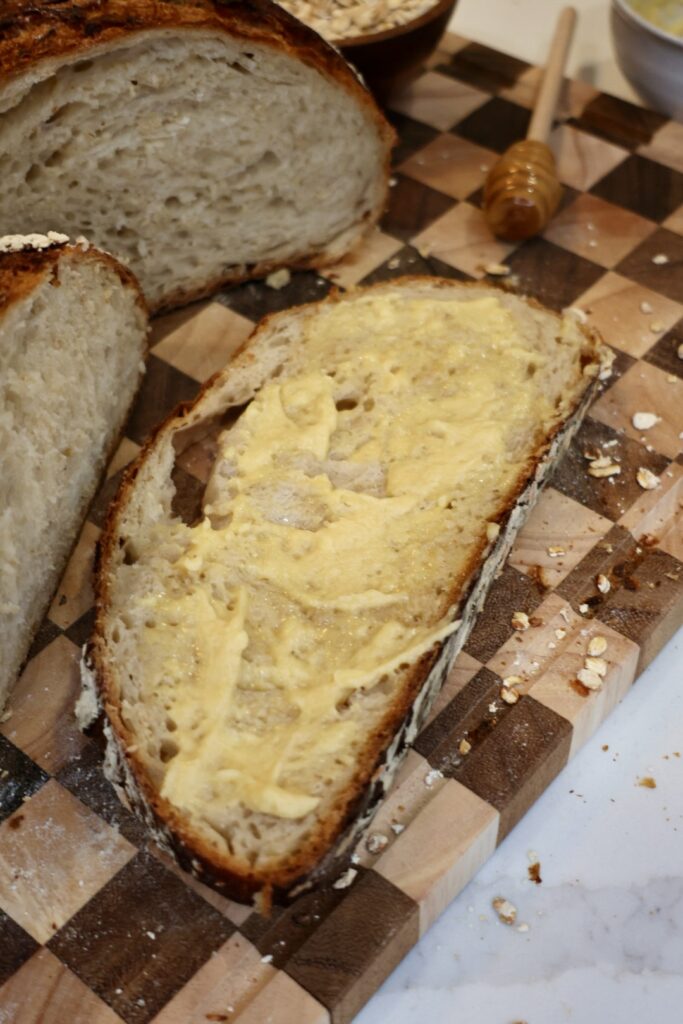
- Toasted with butter or honey butter
- As sandwich bread for sweet or savory fillings
- Served alongside soups, stews, or cozy meals
Check Me Out on Social Media
I post all my recipes on social media as well and you can stay up to date on what I am up to! Also, I love seeing people try my recipes! When make these, snap a picture, and share it to your socials. Tag @cookingkatielady and #cookingkatielady so I can admire your masterpiece and share with others!
honey oat sourdough, sourdough bread recipe, honey sourdough loaf, oat sourdough bread, homemade sourdough
Honey Oat Sourdough Bread
Description
A soft honey oat sourdough loaf with a golden crust and hearty texture, perfect for toast, sandwiches, or enjoying warm with butter.
Ingredients




Instructions
-
In a large mixing bowl, whisk together the water, sourdough starter, and honey until fully dissolved.
-
Add the bread flour and oats, then mix until a shaggy dough forms. You can mix by hand, with a dough whisk, or in a stand mixer fitted with a dough hook attachment. Cover the bowl with a clean tea towel and let the dough rest for 1 hour.
-
Sprinkle the salt evenly over the dough. Perform your first set of stretch and folds by grabbing one side of the dough, stretching it upward, then folding it back over itself. Rotate the bowl and repeat until you have completed four folds. Cover and rest for 1 hour.
-
Repeat the stretch and fold process two more times, resting the dough for 1 hour between each set. You will complete a total of three sets.
-
After the third set, cover the bowl and allow the dough to bulk ferment for 3 to 7 hours, depending on the temperature of your kitchen. The dough is ready when it has nearly doubled, shows bubbles on the surface, and feels airy and slightly tacky without sticking to your fingers.
-
Lightly flour your work surface and prepare your banneton basket with flour and a sprinkle of oats. Turn the dough out and gently stretch it into a rectangle. Fold the long sides inward toward the center, then roll it into a log and pinch the seams closed.
-
Create surface tension by gently cupping the dough and pulling it toward you in a slight candy cane motion. Lightly damp the top and sprinkle with oats.
-
Place the dough seam side up into the banneton. Cover and refrigerate overnight for cold fermentation.
-
Preheat your oven to 450°F with the Dutch oven inside for 45 minutes.
-
Turn the dough out onto parchment or a baking mat, score the top, and carefully transfer it into the hot Dutch oven.
-
Bake covered for 20 minutes. Remove the lid and bake for another 25 to 30 minutes until the crust is deeply golden brown. Wait 1 hour before slicing.
Note
Did you make this recipe?
The next time you make it, snap a picture, and share it to your socials. Tag @cookingkatielady and #cookingkatielady so I can admire your masterpiece and share with others!:)
Please note that my nutrition label is approximate and can have slight rounding.